
EMERGENCY: If someone is experiencing an opioid overdose, call 911 immediately, administer Narcan if available, and begin CPR if they’re not breathing. Every second counts.
The opioid crisis continues to devastate communities across America, claiming over 80,000 lives annually according to the Centers for Disease Control and Prevention (CDC). However, there’s a powerful tool that can reverse opioid overdoses within minutes: Narcan (naloxone). This comprehensive guide, aligned with current Basic Life Support (BLS) and American Heart Association (AHA) guidelines, will teach you everything you need to know about this life-saving medication.
Get Certified in Narcan Administration & Emergency Response
Pinpoint Pulse CPR and First Aid School
110 Davis Road, Suite 18, Martinez, GA 30907
Call us today: 706-901-7277
Expert BLS, CPR, First Aid, and Narcan training that saves lives
Understanding the Opioid Crisis: Why Narcan Matters
What is the current state of the opioid epidemic in America?
The opioid epidemic represents one of the most serious public health crises in U.S. history. According to the Substance Abuse and Mental Health Services Administration (SAMHSA), opioid-related deaths have increased dramatically over the past two decades. The crisis involves prescription painkillers, heroin, and synthetic opioids like fentanyl, which is up to 50 times more potent than heroin and 100 times more potent than morphine.
The National Institute on Drug Abuse (NIDA) reports that more than 10.1 million people aged 12 and older misused opioids in a recent year, including both prescription pain relievers and heroin. Even more alarming, illicitly manufactured synthetic opioids (primarily fentanyl) are now involved in the majority of overdose deaths.
Why Fentanyl Makes the Crisis More Dangerous
Fentanyl’s extreme potency means that even microscopic amounts can cause fatal overdoses. It’s increasingly being mixed into other drugs without users’ knowledge, including counterfeit prescription pills, cocaine, and methamphetamine. This makes every drug use potentially life-threatening and increases the critical importance of Narcan availability.
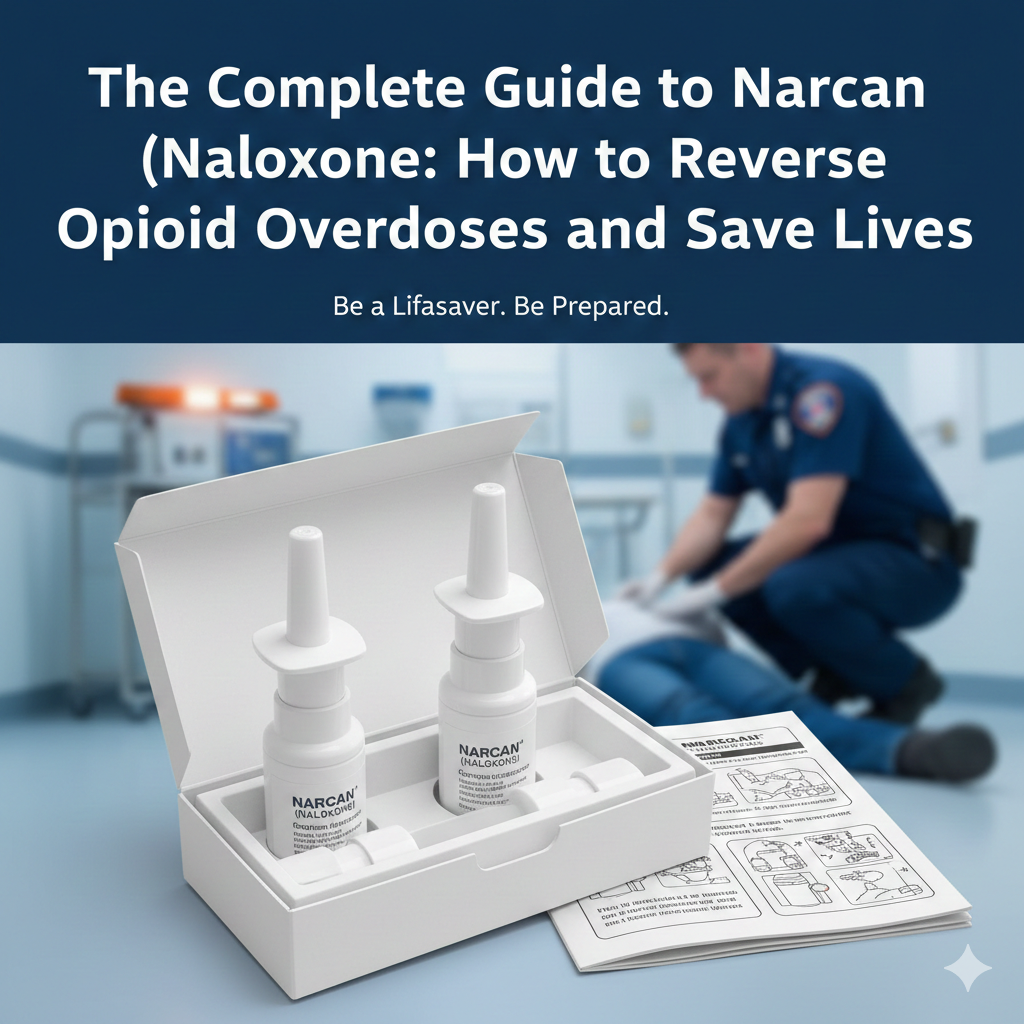
What is Narcan (Naloxone)? The Science Behind the Life-Saving Medication
What exactly is Narcan and how was it developed?
Narcan is the brand name for naloxone, an opioid antagonist medication approved by the U.S. Food and Drug Administration (FDA). First synthesized in 1961 and approved for medical use in 1971, naloxone has been recognized by the World Health Organization (WHO) as an essential medicine.
Naloxone is available in several formulations:
- Nasal spray (Narcan®, Kloxxado®) – Easy-to-use, non-invasive, available over-the-counter
- Auto-injector (Evzio®) – Provides voice instructions during use
- Injectable formulation – Used primarily by medical professionals
How Opioids Affect the Brain: Understanding the Mechanism
How do opioids work in the brain and body?
To understand how Narcan works, you first need to understand how opioids affect the brain. According to research from the National Institute of Neurological Disorders and Stroke (NINDS), opioids work by binding to specific proteins called opioid receptors, which are found on nerve cells in the brain, spinal cord, gastrointestinal tract, and other organs.
The Three Main Types of Opioid Receptors
| Receptor Type | Primary Effects | Clinical Significance |
|---|---|---|
| Mu (μ) Receptors | Pain relief, euphoria, respiratory depression, sedation | Primary target of most opioids; responsible for both therapeutic effects and overdose danger |
| Delta (δ) Receptors | Pain relief, mood regulation | Contribute to analgesic effects |
| Kappa (κ) Receptors | Pain relief, dysphoria, hallucinations | Less involved in typical opioid overdose |
What Happens During an Opioid Overdose
When opioids bind to mu receptors in the brainstem, they suppress the body’s drive to breathe. This is called respiratory depression, and it’s the primary cause of death in opioid overdoses. The Journal of the American Medical Association (JAMA) has published extensive research showing that:
- Breathing slows dramatically – From a normal rate of 12-20 breaths per minute to 6 or fewer
- Oxygen levels drop – Blood oxygen saturation decreases, leading to hypoxia
- Brain damage begins – After 4-6 minutes without oxygen, irreversible brain damage starts
- Cardiac arrest occurs – The heart stops due to lack of oxygen
- Death follows – Without intervention, death typically occurs within 1-3 hours of overdose
Important Note: The New England Journal of Medicine emphasizes that opioid overdoses are preventable deaths. With proper recognition and immediate intervention using naloxone, virtually all opioid overdoses can be reversed.
How Narcan Works: The Molecular Mechanism of Overdose Reversal
How does Narcan reverse an opioid overdose?
Narcan (naloxone) works through a process called competitive antagonism. According to pharmacological research published in the British Journal of Pharmacology, naloxone has a higher affinity for opioid receptors than most opioids themselves.
The Reversal Process Step-by-Step
1 Naloxone enters the bloodstream – Whether administered nasally or by injection, naloxone rapidly enters circulation
2 Crosses the blood-brain barrier – Naloxone quickly reaches the central nervous system within 2-5 minutes
3 Displaces opioids from receptors – Due to its higher binding affinity, naloxone pushes opioid molecules off the mu receptors and takes their place
4 Blocks opioid effects – Once naloxone occupies the receptors, it blocks all opioid effects but produces no opioid effects itself (it’s a “pure antagonist”)
5 Restores normal breathing – With opioids no longer suppressing the respiratory centers, normal breathing resumes within 2-5 minutes
Timeline of Naloxone Action
- Nasal administration: Effects begin in 2-3 minutes, peak at 5-15 minutes
- Intramuscular injection: Effects begin in 2-5 minutes, peak at 5-15 minutes
- Intravenous administration: Effects begin in 1-2 minutes, peak at 5-10 minutes
- Duration of action: 30-90 minutes (shorter than most opioids, which is why repeated doses may be needed)
What Narcan Will and Won’t Reverse: Critical Information
What types of overdoses will Narcan work on?
Understanding what naloxone can and cannot reverse is crucial for proper emergency response. The American College of Emergency Physicians (ACEP) provides clear guidelines on naloxone’s scope of effectiveness.
✓ Narcan WILL Reverse Overdoses From:
- Prescription Opioids: Morphine, oxycodone (OxyContin, Percocet), hydrocodone (Vicodin), codeine, hydromorphone (Dilaudid), oxymorphone (Opana)
- Heroin: All forms including black tar, white, and brown heroin
- Synthetic Opioids: Fentanyl, carfentanil, sufentanil
- Prescription Fentanyl Products: Duragesic patches, Actiq, Sublimaze
- Methadone: Used in addiction treatment and pain management
- Buprenorphine: Suboxone, Subutex (partial opioid agonist)
- Tramadol: A weaker opioid analgesic
✗ Narcan Will NOT Reverse Overdoses From:
- Benzodiazepines: Xanax (alprazolam), Valium (diazepam), Klonopin (clonazepam), Ativan (lorazepam)
- Stimulants: Cocaine, methamphetamine, amphetamines
- Alcohol: Ethanol intoxication or poisoning
- Synthetic Cannabinoids: K2, Spice
- Sedative-Hypnotics: Barbiturates, GHB
- Dissociatives: Ketamine, PCP
- Other Central Nervous System Depressants: Non-opioid sleep medications
CRITICAL WARNING: Many overdoses involve multiple substances (polysubstance overdoses). Even if naloxone reverses the opioid component, other drugs may still be causing life-threatening effects. According to the CDC’s Morbidity and Mortality Weekly Report, combination overdoses involving opioids and benzodiazepines or stimulants are increasingly common and particularly dangerous. ALWAYS call 911 regardless of naloxone response.
Special Considerations for Fentanyl Overdoses
Research from the National Harm Reduction Coalition indicates that fentanyl overdoses may require higher or multiple doses of naloxone due to fentanyl’s extreme potency and strong receptor binding. Current BLS guidelines recommend being prepared to administer additional doses every 2-3 minutes if the person doesn’t respond.
Recognizing an Opioid Overdose: Signs and Symptoms
How can you tell if someone is experiencing an opioid overdose?
The American Heart Association’s BLS guidelines emphasize rapid recognition of opioid overdose as critical to survival. The National Center for Biotechnology Information (NCBI) has published extensive research on overdose recognition.
The Overdose Triad: Three Classic Signs
- Unconsciousness or severe unresponsiveness – Cannot be awakened by shouting or rubbing sternum
- Severely depressed or absent breathing – Fewer than 6 breaths per minute, gasping, or no breathing
- Pinpoint pupils (miosis) – Pupils constricted to the size of a pinhead
Additional Warning Signs
| Body System | Signs and Symptoms |
|---|---|
| Respiratory | Slow, shallow, irregular breathing; gurgling or choking sounds; blue or purple lips/fingernails (cyanosis) |
| Cardiovascular | Weak pulse, slow heart rate (bradycardia), low blood pressure |
| Neurological | Extreme drowsiness, limp body, no response to stimuli, loss of consciousness, seizures (rare) |
| Skin | Pale, clammy skin; blue/gray coloring especially around lips and fingernails |
| Other | Vomiting, choking sounds, body rigidity, foaming at the mouth |
Time-Critical Information: According to the American Heart Association, brain death begins after 4-6 minutes without oxygen. The window for effective intervention is extremely narrow, making immediate recognition and response essential.
How to Administer Narcan: Step-by-Step BLS & AHA Guidelines
What is the proper procedure for administering Narcan according to current BLS guidelines?
The American Heart Association’s updated BLS guidelines, incorporated into the 2020-2025 Guidelines for CPR and Emergency Cardiovascular Care, provide specific protocols for opioid overdose response that integrate naloxone administration with traditional life support measures.
The Updated BLS Opioid Overdose Algorithm
1 Ensure Scene Safety
- Check for hazards (needles, weapons, dangerous people)
- Use universal precautions (gloves if available)
- Consider fentanyl exposure risk – avoid touching white powder
2 Check Responsiveness
- Tap shoulders firmly and shout “Are you okay?”
- Perform sternal rub if no response
- Look for signs of life and breathing
3 Call 911 Immediately
- Or direct someone specific to call
- Request ALS (Advanced Life Support) if available
- Activate speakerphone if alone
4 Assess Breathing and Pulse (No More Than 10 Seconds)
- Look for chest rise and fall
- Listen for breath sounds
- Check carotid pulse simultaneously
- Note: Agonal gasps are NOT normal breathing
5 Administer Naloxone If Available (Even if CPR is Needed)
Nasal Spray Administration (Narcan®, Kloxxado®):
- Remove device from packaging
- Hold the device with your thumb on bottom of plunger
- Place nozzle tip into one nostril until your fingers touch the bottom of the person’s nose
- Press plunger firmly to release the dose
- Remove device from nostril after dose is delivered
- Note: Does NOT need to be inhaled; absorption occurs through nasal mucosa
6 Begin CPR Immediately if No Normal Breathing or Pulse
- Position person on firm, flat surface
- Begin chest compressions: 100-120 per minute, 2-2.4 inches deep for adults
- Minimize interruptions in compressions
- Provide rescue breaths if trained: 30 compressions to 2 breaths
- Use barrier device if available
7 Position in Recovery Position if Breathing Resumes
- Turn person onto their side
- Tilt head back to keep airway open
- Prevents aspiration if vomiting occurs
8 Monitor and Be Prepared to Give Additional Doses
- If no response after 2-3 minutes, administer second dose
- Use alternate nostril for nasal spray
- Continue CPR if still not breathing normally
- Be prepared for withdrawal symptoms when person wakes
9 Stay Until Emergency Services Arrive
- Continue monitoring breathing
- Keep person warm
- Provide information to EMS about naloxone administration
Key AHA Guideline Update: The 2020 AHA Guidelines emphasize that naloxone administration should NOT delay CPR. According to the Circulation journal, bystanders should be prepared to immediately start chest compressions while naloxone is being prepared, as oxygenation is critical.
Critical Considerations: What to Expect After Narcan Administration
What happens after you give someone Narcan?
Understanding post-naloxone effects is crucial for rescuer safety and patient care. The American Academy of Family Physicians provides important guidance on managing the post-reversal period.
Possible Responses to Naloxone
Best Case Scenario:
- Breathing resumes within 2-5 minutes
- Person gradually regains consciousness
- May be confused, disoriented, or combative
Opioid Withdrawal Symptoms (Common):
- Agitation, anxiety, or aggression
- Body aches and pains
- Nausea and vomiting
- Sweating and tremors
- Rapid heart rate
- Dilated pupils
SAFETY WARNING: The person may wake up agitated, confused, or even violent due to sudden withdrawal. Position yourself safely, speak calmly, and explain what happened. Do NOT restrain the person unless they pose an immediate danger. Medical literature from the Annals of Emergency Medicine confirms that withdrawal, while uncomfortable, is not life-threatening, but the overdose may recur if naloxone wears off before the opioids.
The “Rebound Overdose” Risk
This is the most critical consideration: naloxone has a shorter duration of action than most opioids. Research published in the Journal of Analytical Toxicology shows:
- Naloxone typically lasts 30-90 minutes
- Heroin effects last 3-5 hours
- Fentanyl effects last 30-120 minutes
- Methadone effects can last 24-36 hours
- Long-acting opioids (OxyContin, MS Contin) last 8-12 hours
This means the person can slip back into overdose after naloxone wears off. The American College of Medical Toxicology emphasizes that emergency medical evaluation and monitoring is ALWAYS necessary, even if the person appears to have fully recovered.
Integration with CPR: The Complete Lifesaving Response
How do you combine Narcan administration with CPR?
The American Heart Association’s current guidelines emphasize the integration of naloxone into the traditional chain of survival. According to the 2020 AHA Guidelines for CPR and ECC, the approach is:
When the Person is Not Breathing or Only Gasping:
- Call 911 immediately
- Administer naloxone if immediately available (takes less than 10 seconds)
- Begin CPR immediately – Do NOT wait for naloxone to work
- Continue high-quality CPR (100-120 compressions/minute, 2-2.4 inches deep)
- Provide rescue breaths (30:2 ratio if trained; hands-only if not trained)
- Reassess every 2 minutes
- Administer additional naloxone if no response after 2-3 minutes
- Continue until EMS arrives or person recovers
Why CPR is Critical in Opioid Overdose
Research from the Resuscitation Journal demonstrates that:
- Brain damage begins after 4-6 minutes without oxygen
- Naloxone takes 2-5 minutes to work
- CPR provides critical oxygenation during this window
- Survival rates with CPR + naloxone are significantly higher than naloxone alone