
Hands-On CPR Training Saves Lives: Why Real Practice Matters
When cardiac emergencies happen, confidence and skill matter more than theory. Hands-on CPR training prepares everyday people and professionals to respond quickly, correctly, and without hesitation. Instructor-led CPR and BLS classes provide real-world experience that online-only courses simply cannot match.

Why Hands-On CPR Training Is Essential
CPR is a physical, time-sensitive skill. Watching a video or reading instructions does not prepare someone for the pressure of a real emergency. Hands-on training builds muscle memory, accuracy, and confidence.
- Correct hand placement and body positioning
- Proper compression depth and rhythm
- Safe and effective AED usage
- Immediate instructor feedback
- Confidence to act under stress
What This CPR Training Image Represents
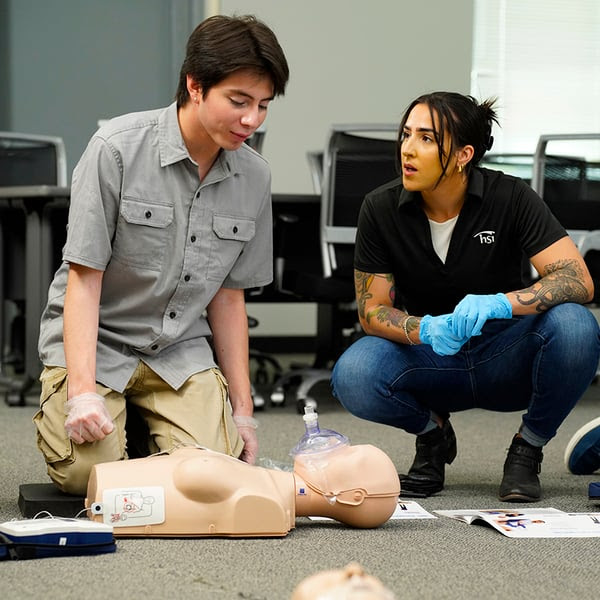
The image above shows a student actively performing chest compressions on an adult CPR manikin while a certified instructor provides guidance. This learning environment reflects best practices in modern CPR and BLS training.
Students benefit from:
- Instructor-led demonstrations
- Realistic training equipment
- Hands-on repetition
- Personalized coaching
Instructor-Led CPR Training vs Online Courses
While online CPR courses may be convenient, they often lack skill validation. Instructor-led CPR classes ensure students demonstrate competency, not just completion.
| Instructor-Led CPR | Online-Only CPR |
|---|---|
| Hands-on skill practice | No physical practice |
| Real-time feedback | No correction or coaching |
| AED and manikin use | Video-based only |
| Higher confidence and retention | Lower real-world readiness |
Who Needs CPR and BLS Certification?
Hands-on CPR and BLS certification is required or strongly recommended for many individuals and professions:
- Healthcare professionals
- Nurses and medical staff
- Teachers and school employees
- Coaches and fitness instructors
- Childcare providers
- Workplace safety teams
- Parents and caregivers
Confidence Is the Real Outcome of CPR Training
One of the biggest reasons people fail to act in emergencies is fear. Hands-on CPR training replaces fear with readiness. Students who practice compressions and AED use are more likely to respond quickly and effectively.
What to Look for in a CPR Training Class
When choosing a CPR or BLS course, look for:
- In-person, hands-on instruction
- Certified, experienced instructors
- Modern manikins and AED trainers
- Small class sizes
- Skill validation included
Frequently Asked Questions About CPR Training
Is hands-on CPR training required for certification?
Yes. Most recognized CPR and BLS certifications require hands-on skill practice and evaluation to meet national guidelines.
How long does CPR certification last?
Most CPR and BLS certifications are valid for two years and require renewal to stay current.
Is CPR training difficult?
No. With instructor guidance and hands-on practice, CPR training is straightforward and designed for all experience levels.
Final Thoughts: Real Training Saves Real Lives
CPR training should prepare you for real emergencies, not just a test. Hands-on, instructor-led CPR and BLS courses provide the skills, confidence, and readiness needed when seconds matter most.
If your CPR class looks like the image above — hands-on, guided, and practical — you are receiving training that truly makes a difference.