
Everything You Need to Know About CPR Certification in Georgia
Get certified today with hands-on training from Georgia’s trusted CPR experts
Are you looking for CPR certification in Georgia? Whether you’re required for work or want to be prepared for emergencies, understanding Georgia’s CPR requirements and finding quality training is crucial. This comprehensive guide covers everything you need to know about CPR certification in Georgia, plus how to get trained quickly and effectively.
Who Needs CPR Certification in Georgia?
Healthcare Professionals
- Doctors, nurses, EMTs, paramedics
- Must maintain BLS or ACLS certification
- Regular recertification required every 2 years
Education Professionals
- Teachers, coaches, school administrators
- Required under Georgia Senate Bills 212 and 60
- Essential for student safety during school hours and sports
Childcare Workers
- Daycare staff, preschool teachers, babysitters
- Must be trained in infant and child CPR techniques
- State licensing requirement for childcare facilities
Public Safety Officials
- Police officers, firefighters, 911 dispatchers
- First responders to cardiac emergencies
- Enhanced training includes dispatcher-assisted CPR
Fitness Industry
- Personal trainers, gym staff, sports coaches
- High-exertion environments increase cardiac risk
- Required by most fitness certifying bodies
Georgia’s CPR Laws You Should Know
Senate Bill 212 (2013)
All Georgia high school students must receive CPR training before graduation, including:
- Hands-on chest compression practice
- AED (Automated External Defibrillator) training
- Recognition of cardiac emergency signs
Good Samaritan Protection
Georgia law protects anyone who performs CPR in good faith during an emergency. You cannot be sued for trying to save a life, as long as you act reasonably and without gross negligence.
Jeremy Nelson and Nick Blakely Act (SB 60)
Requires student-athletes to learn cardiac arrest warning signs, with annual coach reviews for ongoing safety awareness.
Types of CPR Certification Available
Basic CPR/AED (Heartsaver)
- For general public, teachers, coaches
- Adult and child CPR techniques
- AED operation and safety
- 4-6 hours of training
Basic Life Support (BLS)
- For healthcare providers
- Adult, child, and infant CPR
- Two-person CPR techniques
- Bag-mask ventilation
- 4-5 hours of training
Advanced Cardiovascular Life Support (ACLS)
- For advanced healthcare providers
- Cardiac arrest algorithms
- Medication administration
- Advanced airway management
- 12-16 hours of training
How to Choose the Right CPR Training
What to Look For:
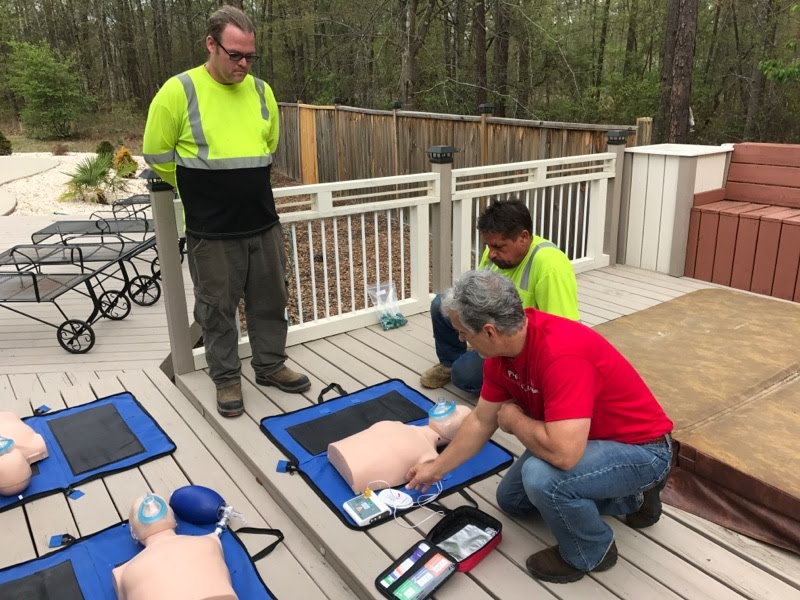
✅ American Heart Association or Red Cross certification ✅ Hands-on practice with feedback devices ✅ Experienced, certified instructors ✅ Small class sizes for personalized attention ✅ Convenient scheduling options ✅ Same-day certification cards
Red Flags to Avoid:
❌ Online-only courses (CPR requires hands-on practice) ❌ Unusually cheap pricing (quality training costs money) ❌ No hands-on skills testing ❌ Instructors without current certifications ❌ No certificate verification system
Georgia CPR Certification Requirements by Profession
| Profession | Required Level | Renewal Period | Notes |
|---|---|---|---|
| Nurses | BLS or ACLS | 2 years | Hospital may require ACLS |
| Teachers | Heartsaver CPR | 2 years | Required for school employment |
| Childcare | Infant/Child CPR | 2 years | State licensing requirement |
| Personal Trainers | Heartsaver CPR | 2 years | Required by most certifying bodies |
| EMTs | BLS minimum | 2 years | May need ACLS for advancement |
Cost of CPR Training in Georgia
Typical Pricing:
- Heartsaver CPR/AED: $65-95
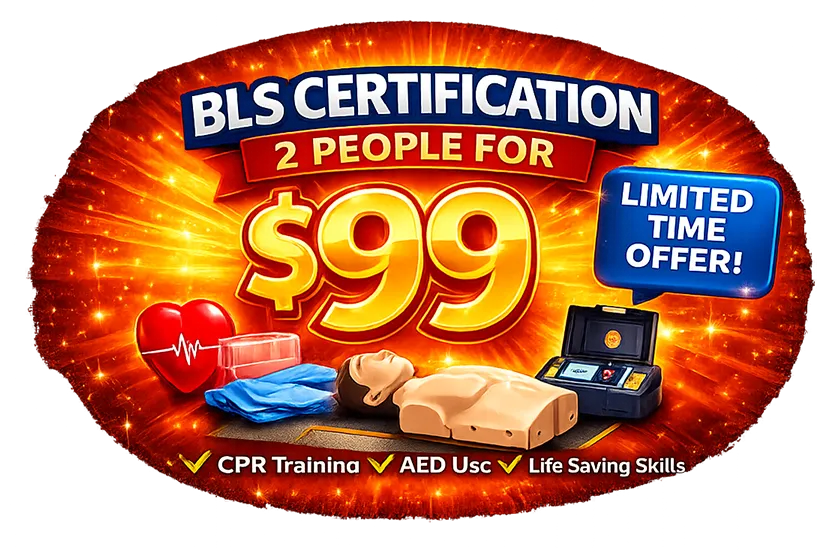
- BLS for Healthcare: $75-110
- ACLS: $250-350
- Group discounts: Often 10-20% off
- Recertification: Usually 20-30% less than initial
What’s Included:
- Instruction manual or digital materials
- Hands-on practice time
- Skills testing and feedback
- Official certification card
- 2-year certification validity
Frequently Asked Questions
Can I take CPR training online?
While you can complete the knowledge portion online, CPR requires hands-on skills practice and testing. Choose blended learning courses that combine online study with in-person skills sessions.
How long does CPR certification last?
Most CPR certifications are valid for 2 years. You’ll need to complete a renewal course before expiration to maintain your certification.
What if I need certification quickly?
Many training centers offer same-day certification. Look for providers with flexible scheduling and immediate card printing capabilities.
Is CPR certification from other states valid in Georgia?
Yes, certifications from nationally recognized organizations (AHA, Red Cross) are valid across all states, including Georgia.
What age can you get CPR certified?
There’s no minimum age requirement, though most providers recommend age 12 and older. Some offer youth-specific programs with parental consent.
Next Steps: Get Your CPR Certification Today
Don’t wait for an emergency to learn these life-saving skills. Getting CPR certified is easier than you think, and it could mean the difference between life and death for someone you care about.
Ready to get certified? Contact Pulse CPR and First Aid School today to:
- Schedule your certification class
- Ask questions about course options
- Get group pricing for your organization
- Find the most convenient location and time
Your CPR certification could save a life tomorrow. Get trained today.
About Pulse CPR and First Aid School: We’re Georgia’s trusted provider of CPR and first aid training, offering American Heart Association certified courses with experienced instructors, convenient scheduling, and same-day certification. Our mission is to prepare more Georgians to respond confidently in medical emergencies.