

BLS Classes Augusta, GA: Your Complete Guide to Life-Saving Certification
When seconds count and a life hangs in the balance, proper Basic Life Support (BLS) training makes all the difference. If you’re searching for BLS classes in Augusta, GA, you’ve come to the right place. Whether you’re a healthcare professional renewing your certification or someone looking to gain critical life-saving skills, this comprehensive guide will help you understand everything you need to know about BLS certification in the Augusta area.
What Is BLS Certification and Who Needs It?
Basic Life Support (BLS) certification is a critical credential that teaches healthcare providers and trained first responders how to perform high-quality CPR, use an automated external defibrillator (AED), and relieve choking in a safe, timely, and effective manner. Unlike standard CPR courses designed for the general public, BLS training follows American Heart Association (AHA) guidelines specifically tailored for medical professionals.
Who Should Take BLS Classes in Augusta, GA?
BLS certification is typically required for:
- Nurses (RNs, LPNs, CNAs)
- Physicians and physician assistants
- Dentists and dental hygienists
- Paramedics and EMTs
- Medical and nursing students
- Respiratory therapists
- Physical therapists
- Pharmacists
- Medical assistants
- Firefighters and law enforcement officers
- Lifeguards and athletic trainers
Even if you’re not in healthcare, BLS training provides invaluable skills that could help you save a family member, coworker, or stranger in an emergency situation.
Why Choose Pulse CPR and First Aid School for BLS Classes in Augusta?
Located conveniently at 110 Davis Rd, Martinez, GA 30907, Pulse CPR and First Aid School has established itself as Augusta’s premier training center for BLS certification. Here’s what sets them apart:
American Heart Association Certified Training Center
Pulse CPR and First Aid School is an official American Heart Association training site, which means you’ll receive nationally recognized certification that meets the requirements of healthcare employers across the United States. The AHA is the gold standard in CPR and emergency cardiovascular care training, and their guidelines are updated regularly based on the latest scientific research.
Experienced, Professional Instructors
The instructors at Pulse CPR and First Aid School aren’t just certified teachers—they’re experienced healthcare professionals who bring real-world emergency experience into the classroom. This practical perspective helps students understand not just the “how” but the “why” behind each technique, making the training more meaningful and memorable.
Flexible Class Schedules
Understanding that healthcare professionals and students have demanding schedules, Pulse CPR offers multiple class times throughout the week, including evening and weekend options. You can reach them at (706) 901-7277 to find a class time that works with your schedule.
Hands-On Training with Modern Equipment
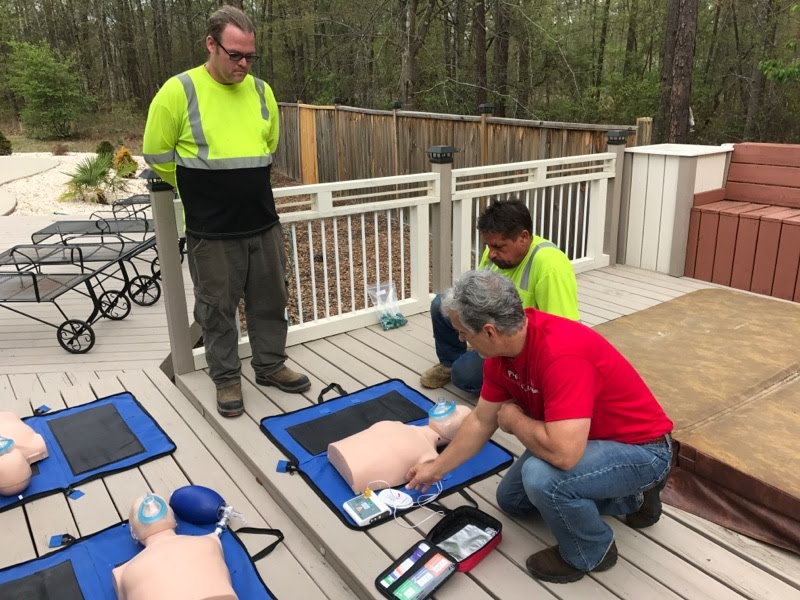
BLS certification requires more than watching videos—it demands hands-on practice. Pulse CPR provides high-quality training manikins, AED trainers, and other equipment that simulate real emergency scenarios. This practical experience builds the muscle memory and confidence you’ll need in an actual emergency.
Same-Day Certification Cards
Upon successful completion of your BLS class, you’ll receive your American Heart Association certification card the same day. This is particularly important for healthcare workers who need immediate proof of certification for employment or licensing requirements.
What You’ll Learn in BLS Classes
BLS certification courses at Pulse CPR and First Aid School cover comprehensive life-saving techniques based on the latest AHA guidelines. Here’s what you can expect to learn:
High-Quality CPR for Adults, Children, and Infants
You’ll practice proper chest compression technique, including:
- Correct hand placement and body positioning
- Appropriate compression depth (at least 2 inches for adults)
- Proper compression rate (100-120 compressions per minute)
- Allowing complete chest recoil between compressions
- Minimizing interruptions in compressions
Rescue Breathing and Ventilation
The course covers effective ventilation techniques, including:
- Mouth-to-mouth rescue breathing
- Bag-mask ventilation
- Proper breath volume and rate
- Recognizing adequate chest rise
Automated External Defibrillator (AED) Use
You’ll learn when and how to use an AED, including:
- Recognizing shockable rhythms
- Proper pad placement
- Safety considerations during defibrillation
- Integration of AED use with CPR
Relief of Choking
Training includes recognition and treatment of:
- Mild versus severe airway obstruction
- Back blows and abdominal thrusts for adults and children
- Chest thrusts for infants and pregnant/obese individuals
Team Dynamics and Communication
Effective emergency response requires coordination. You’ll practice:
- Clear communication during resuscitation
- Role assignments in team-based CPR
- Effective team member behaviors
- Debriefing after resuscitation attempts
Recognition of Cardiac Arrest and Stroke
Early recognition saves lives. The course covers:
- Signs of cardiac arrest
- Early warning signs of heart attack
- Recognition of stroke using the FAST method
- When to activate emergency response systems
BLS Certification vs. CPR Certification: Understanding the Difference
Many people confuse BLS with standard CPR certification, but there are important distinctions:
Standard CPR/First Aid is designed for laypersons—teachers, parents, coaches, and community members who want to help in emergencies but aren’t healthcare providers. These courses cover basic CPR, AED use, and first aid for common injuries.
BLS Certification is specifically designed for healthcare providers and follows more rigorous standards. It includes:
- Two-rescuer CPR scenarios
- More detailed assessment protocols
- Bag-mask ventilation techniques
- Team-based resuscitation dynamics
- Higher performance standards for compressions and ventilations
If you work in healthcare or are required to have BLS certification for your job, a standard CPR course won’t meet your needs.
How Long Does BLS Certification Last?
American Heart Association BLS certification is valid for two years from the date of issue. It’s important to renew your certification before it expires, as many employers require current certification as a condition of employment.
BLS Renewal Classes
Pulse CPR and First Aid School offers BLS renewal (also called BLS recertification or HeartSaver CPR) courses for those whose certification is still current or has expired within the past 24 months. Renewal classes are typically shorter than initial certification courses since they focus on skills review and updating participants on any guideline changes.
To schedule your BLS renewal class in Augusta, call (706) 901-7277.
What to Expect on Class Day
Arriving prepared will help you get the most out of your BLS training experience:
What to Bring
- A valid photo ID
- Payment (check ahead for accepted payment methods)
- Comfortable clothing that allows you to kneel and move freely
- Note-taking materials if desired
- Your current BLS card if you’re taking a renewal course
Class Format and Duration
Initial BLS certification classes typically last 4-5 hours, including:
- Video-based instruction covering key concepts
- Hands-on practice stations
- Skills testing with an instructor
- Written exam (multiple choice)
Renewal classes are usually shorter, lasting approximately 3-4 hours.
Passing Requirements
To earn your BLS certification, you must:
- Demonstrate competency in all required skills
- Pass the written exam with a score of at least 84%
- Participate actively throughout the course
Don’t worry—the instructors at Pulse CPR are there to help you succeed, and you’ll have ample opportunity to practice before testing.
The Importance of BLS Training in Healthcare
Every year, more than 350,000 cardiac arrests occur outside of hospitals in the United States, according to the American Heart Association. Immediate CPR can double or even triple a victim’s chance of survival. In healthcare settings, rapid response to cardiac emergencies is even more critical.
Real-World Impact
Healthcare professionals with current BLS certification are prepared to:
- Recognize cardiac arrest immediately
- Begin high-quality CPR within seconds
- Coordinate effective team-based resuscitation
- Use advanced equipment like AEDs and bag-valve masks
- Transition care smoothly to advanced life support teams
These skills don’t just check a box on an employment requirement—they save lives. Many healthcare workers have stories of using their BLS training to save patients, coworkers, or even family members during unexpected emergencies.
BLS Requirements for Healthcare Licensure and Employment
If you’re pursuing a career in healthcare or maintaining your professional license, BLS certification is likely mandatory. Here’s why:
State Licensing Requirements
Many healthcare professional licenses in Georgia require current BLS certification. This includes:
- Nursing licenses (RN, LPN)
- Emergency Medical Services (EMS) certification
- Dental licenses
- Physical therapy licenses
Always check with your licensing board for specific requirements.
Hospital and Clinical Requirements
Nearly all hospitals, clinics, nursing homes, and healthcare facilities require employees to maintain current BLS certification. Some facilities may also require:
- Annual skills verification
- Certification from specific organizations (usually AHA)
- Documentation of the exact course taken
- In-facility training in addition to outside certification
Having your certification from a reputable training center like Pulse CPR ensures you meet these stringent requirements.
Student Clinical Rotations
Nursing students, medical students, and other healthcare students typically cannot participate in clinical rotations without current BLS certification. Many programs require students to obtain certification before their first semester and maintain it throughout their education.
Beyond BLS: Additional Courses at Pulse CPR and First Aid School
While BLS certification is essential for healthcare providers, Pulse CPR and First Aid School offers additional courses that can enhance your emergency response skills:
Advanced Cardiovascular Life Support (ACLS)
ACLS certification builds on BLS skills and is required for healthcare providers who respond to cardiovascular emergencies. The course covers:
- Advanced airway management
- Pharmacology for cardiac emergencies
- Reading and interpreting ECG rhythms
- Post-cardiac arrest care
- Management of acute coronary syndromes and stroke
Pediatric Advanced Life Support (PALS)
PALS certification is essential for healthcare providers who work with infants and children. Topics include:
- Systematic assessment of pediatric patients
- Recognition of respiratory distress and failure
- Management of shock
- Cardiac arrest algorithms specific to children
- Effective resuscitation team dynamics
First Aid Training
First aid courses teach you to recognize and respond to common medical emergencies, including:
- Bleeding control
- Wound care
- Fracture and sprain management
- Burns
- Environmental emergencies (heat stroke, hypothermia)
- Medical emergencies (diabetic emergencies, seizures, allergic reactions)
HeartSaver CPR/AED
For those who don’t need healthcare provider-level certification, HeartSaver courses provide essential CPR and AED training for:
- Teachers and childcare providers
- Fitness instructors
- Construction workers
- Security personnel
- Anyone who wants to be prepared for emergencies
Call Pulse CPR at (706) 901-7277 to learn more about any of these courses and find the right training for your needs.
Preparing for Your BLS Class: Study Tips and Resources
While BLS courses are designed to teach you everything you need to know, arriving with some preparation can help you feel more confident and get more out of the experience.
Review the AHA BLS Provider Manual
If you purchase or are provided with the AHA BLS Provider Manual before class, review it ahead of time. Focus on:
- The Chain of Survival
- High-quality CPR components
- Differences in techniques for adults, children, and infants
- AED operation basics
Watch Instructional Videos
The American Heart Association provides preview videos that demonstrate proper technique. Familiarizing yourself with what high-quality CPR looks like before class can help you focus on practicing rather than trying to understand concepts for the first time.
Get Physically Prepared
CPR is physically demanding. If you have any concerns about your ability to kneel on the floor for extended periods or perform chest compressions, let your instructor know. They can work with you to ensure you can complete the training successfully.
Arrive Well-Rested
Class requires concentration and physical exertion. Getting adequate sleep the night before will help you stay alert and retain information better.
Why Location Matters: Training in Martinez, GA
Pulse CPR and First Aid School’s Martinez location at 110 Davis Rd offers convenience for students throughout the Augusta area. Martinez is centrally located and easily accessible from:
- Augusta
- Evans
- Grovetown
- Hephzibah
- North Augusta, SC
- Aiken, SC
The facility provides ample parking and a professional training environment designed specifically for hands-on emergency response education.
The Science Behind BLS: Why These Techniques Work
Understanding the “why” behind BLS techniques can help you perform them more effectively and remember them better.
Why Chest Compressions Matter
When the heart stops beating, blood stops circulating oxygen to the brain and vital organs. Brain damage can begin within 4-6 minutes of cardiac arrest. High-quality chest compressions:
- Manually pump blood through the body
- Deliver oxygen to the brain and heart
- Increase the likelihood that defibrillation will be successful
- Buy time until advanced medical care arrives
The emphasis on compression rate (100-120 per minute), depth (at least 2 inches), and minimal interruptions is based on research showing these factors maximize blood flow.
The Role of Rescue Breaths
While compressions are the priority, rescue breaths provide additional oxygen to the blood being circulated. The combination of compressions and breaths (30:2 ratio for single rescuers) provides the best outcomes for cardiac arrest victims.
How AEDs Save Lives
Automated External Defibrillators work by analyzing the heart’s electrical rhythm and, when appropriate, delivering a shock that can restore normal heart rhythm. The most common cause of sudden cardiac arrest is ventricular fibrillation—a chaotic, ineffective heart rhythm. AEDs can “reset” the heart, giving it a chance to resume normal beating.
Time matters critically: For every minute that passes without defibrillation, survival rates decrease by 7-10%. This is why AED use is now emphasized in public spaces and why BLS training includes extensive AED practice.
Frequently Asked Questions About BLS Classes in Augusta
How much does BLS certification cost?
Course fees vary by provider and course type (initial certification vs. renewal). Contact Pulse CPR and First Aid School at (706) 901-7277 for current pricing and any available discounts for students or group registrations.
Can I take BLS online?
The American Heart Association offers a blended learning option that includes online coursework followed by an in-person skills session. However, you cannot complete BLS certification entirely online—hands-on skills verification with an instructor is required. Ask Pulse CPR about blended learning options.
What if I don’t pass the skills test?
Instructors want you to succeed and will work with you to improve your technique. If you don’t demonstrate competency on your first attempt, you’ll have opportunities to practice and retest. Most students pass successfully with the support of experienced instructors.
Is BLS physically demanding?
CPR requires kneeling and performing chest compressions, which can be tiring. However, the course is designed for people of varying fitness levels. If you have physical limitations, speak with your instructor—they can often accommodate different needs.
How soon will I receive my certification card?
At Pulse CPR and First Aid School, you’ll receive your official AHA BLS certification card the same day upon successful completion of the course.
What if my certification has already expired?
You can still take a BLS course even if your certification has expired. Depending on how long it’s been, you may need to take the full initial certification course rather than a renewal course. Call ahead to determine which course is appropriate for your situation.
Taking the Next Step: Schedule Your BLS Class Today
Life-saving skills can’t wait. Whether you need BLS certification for work, school, or personal preparedness, Pulse CPR and First Aid School in Martinez, GA, is ready to provide the high-quality training you need.
Ready to Get Certified?
Contact Pulse CPR and First Aid School today:
📍 Address: 110 Davis Rd, Martinez, GA 30907
📞 Phone: (706) 901-7277
Call to:
- Ask questions about course offerings
- Learn about current class schedules
- Register for an upcoming BLS class
- Inquire about group training options
- Get information about other certification courses
Don’t wait until the last minute to renew an expiring certification or meet a new employment requirement. Spaces in BLS classes fill up quickly, especially during peak seasons when healthcare students and professionals are renewing their credentials.
Conclusion: Invest in Skills That Save Lives
BLS certification represents more than just a requirement for healthcare professionals—it’s an investment in the ability to make a difference when it matters most. In those critical moments when someone’s heart stops beating, your training could be the factor that determines whether they survive.
By choosing Pulse CPR and First Aid School for your BLS classes in Augusta, GA, you’re selecting American Heart Association-certified training delivered by experienced professionals in a convenient Martinez location. You’re gaining skills backed by science, practiced through hands-on training, and proven to save lives.
Whether you’re a nursing student preparing for clinical rotations, a healthcare professional maintaining your credentials, or someone who simply wants to be prepared to help in an emergency, quality BLS training is essential.
Take the first step toward becoming someone who can respond confidently and effectively in a cardiac emergency. Call Pulse CPR and First Aid School at (706) 901-7277 today and schedule your BLS class. Your future patients, coworkers, and loved ones will be grateful you did.
About the Author: This article was written to provide comprehensive information about BLS certification in the Augusta, Georgia area. Pulse CPR and First Aid School is an American Heart Association training center committed to providing high-quality emergency response education to healthcare professionals and community members throughout the Central Savannah River Area.
Last Updated: January 2026