
Obtaining CPR certification in Georgia is essential for a wide range of professionals and citizens who want to be prepared in emergencies. The state has established specific guidelines and laws to promote CPR training across communities, schools, and workplaces, helping save lives by increasing the number of trained responders.
Georgia Laws and CPR Training Requirements
One of the key drivers of CPR training in Georgia is Senate Bill 212, which requires all high school students to complete CPR training before graduation. This legislation, passed in 2013, aims to expand the number of people trained to respond to cardiac emergencies.
Another important law is Senate Bill 60 — the Jeremy Nelson and Nick Blakely Sudden Cardiac Arrest Prevention Act — which mandates that student-athletes and coaches receive annual education about recognizing cardiac arrest and how to respond quickly.
Who Needs CPR Certification in Georgia?
While CPR skills are valuable for everyone, certain groups are legally required or highly encouraged to maintain CPR certification. These include:
- Healthcare professionals: Nurses, doctors, EMTs, paramedics, and other medical staff often require Basic Life Support (BLS) or Advanced Cardiovascular Life Support (ACLS) certifications.
- Educators and school personnel: Teachers, coaches, and school staff are on the front lines of student safety and often must be certified to respond during emergencies.
- Childcare providers: Daycare workers and preschool teachers need infant and child CPR certification due to the unique needs of young children.
- Public safety officials: Police officers, firefighters, and 911 dispatchers are typically certified to assist in emergencies and often provide CPR instructions over the phone.
- Fitness professionals: Personal trainers, gym instructors, and sports coaches are encouraged or required to be CPR certified to handle emergencies during physical activity.
Understanding Georgia’s Good Samaritan Law
The Good Samaritan Law in Georgia encourages bystanders to assist in emergencies by providing legal protections for those who perform CPR or other emergency care in good faith. As long as the rescuer is acting reasonably and without gross negligence, they are protected from legal liability, even if the outcome is not successful.
CPR Training Programs and Options in Georgia
CPR training in Georgia can be completed through various providers offering both in-person and online courses. Many courses use a hybrid model, combining online theory with hands-on skills sessions to ensure competency.
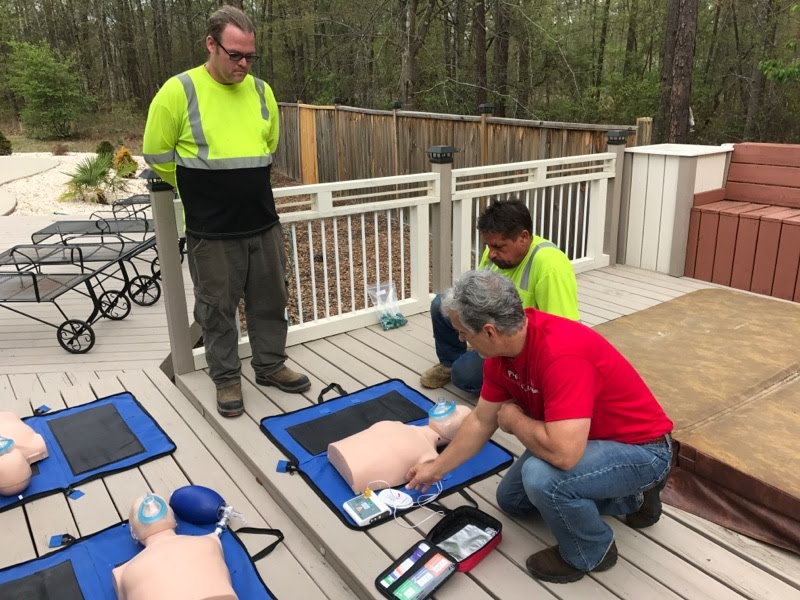
In-person training remains the preferred method for most learners, providing live instructor feedback and practice with mannequins and AED trainers. However, online components offer flexibility for busy schedules.
How to Enroll in a CPR Certification Course in Georgia
Enrollment is simple with many providers offering online registration. You can select course types such as Heartsaver CPR AED for lay rescuers, Basic Life Support (BLS) for healthcare workers, or combined First Aid and CPR classes based on your needs.
Pulse CPR in Martinez, GA, offers American Heart Association-approved courses recognized across the state and nationally. Our flexible class schedules make it easy to get certified quickly and efficiently.
Frequently Asked Questions (FAQs)
- What is the minimum age to take CPR classes in Georgia? Many providers recommend a minimum age of 12, though some offer special classes for younger children with parental consent.
- Do I need to be certified to perform CPR legally? No, anyone can perform CPR in an emergency. Certification improves your confidence and skills, but it is not a legal requirement to help someone in need.
- How long is CPR certification valid in Georgia? CPR certifications generally last two years before renewal is needed to stay current with guidelines.
- Which organizations’ certifications are accepted in Georgia? The American Heart Association (AHA), American Red Cross, and other nationally accredited programs are recognized throughout Georgia.
If you’re looking to get certified, Pulse CPR offers convenient, AHA-certified CPR classes in Georgia designed to meet state requirements and your scheduling needs. Get started today and be prepared to save lives!
CPR Certification in Georgia: Everything You Need to Know
Obtaining CPR certification in Georgia is essential for a wide range of professionals and citizens who want to be prepared in emergencies. The state has established specific guidelines and laws to promote CPR training across communities, schools, and workplaces, helping save lives by increasing the number of trained responders.
Georgia Laws and CPR Training Requirements
Georgia’s Senate Bill 212 (SB 212) requires all high school students to complete CPR training before graduation, helping build a more prepared community.
One of the key drivers of CPR training in Georgia is Senate Bill 212, which requires all high school students to complete CPR training before graduation. This legislation, passed in 2013, aims to expand the number of people trained to respond to cardiac emergencies.
Another important law is Senate Bill 60 — the Jeremy Nelson and Nick Blakely Sudden Cardiac Arrest Prevention Act — which mandates that student-athletes and coaches receive annual education about recognizing cardiac arrest and how to respond quickly.
Who Needs CPR Certification in Georgia?
While CPR skills are valuable for everyone, certain groups are legally required or highly encouraged to maintain CPR certification. These include:
- Healthcare professionals: Nurses, doctors, EMTs, paramedics, and other medical staff often require Basic Life Support (BLS) or Advanced Cardiovascular Life Support (ACLS) certifications.
- Educators and school personnel: Teachers, coaches, and school staff are on the front lines of student safety and often must be certified to respond during emergencies.
- Childcare providers: Daycare workers and preschool teachers need infant and child CPR certification due to the unique needs of young children.
- Public safety officials: Police officers, firefighters, and 911 dispatchers are typically certified to assist in emergencies and often provide CPR instructions over the phone.
- Fitness professionals: Personal trainers, gym instructors, and sports coaches are encouraged or required to be CPR certified to handle emergencies during physical activity.
Understanding Georgia’s Good Samaritan Law
The Good Samaritan Law in Georgia encourages bystanders to assist in emergencies by providing legal protections for those who perform CPR or other emergency care in good faith. As long as the rescuer is acting reasonably and without gross negligence, they are protected from legal liability, even if the outcome is not successful.
CPR Training Programs and Options in Georgia
CPR training in Georgia can be completed through various providers offering both in-person and online courses. Many courses use a hybrid model, combining online theory with hands-on skills sessions to ensure competency.
In-person training remains the preferred method for most learners, providing live instructor feedback and practice with mannequins and AED trainers. However, online components offer flexibility for busy schedules.
How to Enroll in a CPR Certification Course in Georgia
Enrollment is simple with many providers offering online registration. You can select course types such as Heartsaver CPR AED for lay rescuers, Basic Life Support (BLS) for healthcare workers, or combined First Aid and CPR classes based on your needs.
Pulse CPR in Martinez, GA, offers American Heart Association-approved courses recognized across the state and nationally. Our flexible class schedules make it easy to get certified quickly and efficiently.
Frequently Asked Questions (FAQs)
- What is the minimum age to take CPR classes in Georgia? Many providers recommend a minimum age of 12, though some offer special classes for younger children with parental consent.
- Do I need to be certified to perform CPR legally? No, anyone can perform CPR in an emergency. Certification improves your confidence and skills, but it is not a legal requirement to help someone in need.
- How long is CPR certification valid in Georgia? CPR certifications generally last two years before renewal is needed to stay current with guidelines.
- Which organizations’ certifications are accepted in Georgia? The American Heart Association (AHA), American Red Cross, and other nationally accredited programs are recognized throughout Georgia.
If you’re looking to get certified, Pulse CPR offers convenient, AHA-certified CPR classes in Georgia designed to meet state requirements and your scheduling needs. Get started today and be prepared to save lives!