
2025 AHA CPR Certification Updates Complete Guide
Everything You Need to Know About the Latest American Heart Association Guidelines
On October 22, 2025, the American Heart Association released groundbreaking updates to its CPR and Emergency Cardiovascular Care (ECC) Guidelines—the first comprehensive refresh since 2020. These aren’t minor tweaks; they represent a complete overhaul of how we teach, practice, and perform life-saving interventions during cardiac emergencies. If you’re a healthcare professional, first responder, teacher, childcare provider, or simply someone who wants to be prepared to save a life in Augusta, Martinez, Evans, or Grovetown, GA—these updates affect you.
At Pulse CPR and First Aid School (110 Davis Rd, Martinez, GA 30907), we’ve already integrated the 2025 AHA updates into all our training programs. Here’s your complete guide to what’s changed and why it matters.
Why Do CPR Guidelines Change Every Five Years?
The American Heart Association doesn’t update guidelines arbitrarily. Every five years, the AHA reviews the latest scientific research and evidence-based findings to determine what works best in real cardiac and respiratory emergencies. These updates are based on:
- Real-world survival data from thousands of cardiac arrest cases
- Clinical trials testing new resuscitation techniques
- Input from emergency medicine professionals worldwide
- Collaboration with the International Liaison Committee on Resuscitation (ILCOR)
- Partnership with the American Academy of Pediatrics for pediatric guidelines
The goal? Save more lives by ensuring every rescuer—from bystanders to ER physicians—uses the most effective, evidence-based techniques.
The Single Biggest Change: One Unified Chain of Survival
What Changed?
Instead of separate chains for adult and pediatric patients or in-hospital versus out-of-hospital cardiac arrest, the AHA now presents one unified Chain of Survival that applies universally. This creates a single, shared mental model for everyone—from lay rescuers to advanced practitioners.
Why It Matters
Before 2025, rescuers had to remember different protocols depending on the patient’s age and location. This created confusion during high-stress emergencies when seconds count. The unified chain simplifies training and ensures everyone speaks the same language during resuscitation efforts.
The Unified Chain of Survival includes:
- Early recognition and activation of emergency response
- Immediate high-quality CPR
- Rapid defibrillation
- Advanced resuscitation and post-arrest care
- Recovery (including rehabilitation and psychological support)
2025 BLS (Basic Life Support) Updates: What Healthcare Providers Need to Know
High-Quality Compressions: The Numbers That Save Lives
The 2025 guidelines maintain—but heavily emphasize—the critical metrics for effective chest compressions:
Compression Depth:
- Adults: 2-2.4 inches (5-6 cm)
- Children: Approximately 2 inches (5 cm)
- Infants: Approximately 1.5 inches (4 cm)
Compression Rate: The rate is now more strictly emphasized at 100-120 compressions per minute, with an even stronger focus on minimizing interruptions. Every second without compressions reduces survival chances.
Compression Fraction: Aim for a compression fraction of at least 60%—ideally 80%. This means during a 10-minute resuscitation, compressions should be happening for 8 of those minutes.
The Integration of Naloxone in BLS Protocols
Major Update: The 2025 BLS algorithms now explicitly show where naloxone fits for suspected opioid overdose during respiratory or cardiac arrest. This removes guesswork for both lay rescuers and healthcare teams.
With the opioid crisis affecting communities across Georgia—including Richmond, Columbia, and surrounding counties—this update is potentially lifesaving. The algorithm now clearly indicates:
- When to suspect opioid involvement
- How to administer naloxone during resuscitation
- How naloxone administration integrates with CPR and defibrillation
Feedback Devices: Technology Meets Technique
The use of compression rate and depth monitoring tools is now recommended in more settings. These devices provide real-time feedback to ensure rescuers maintain optimal compression quality throughout the resuscitation effort.
At Pulse CPR School, our training incorporates these feedback technologies so students can develop muscle memory for perfect compressions.
Adult Choking Protocol: The New 5+5 Cycle
What Changed?
For severe airway obstruction in a conscious adult, the guidance now explicitly calls for cycles of 5 back blows followed by 5 abdominal thrusts until relief or unresponsiveness.
The Old vs. New Protocol
Before 2025: Guidelines were less specific about the alternating pattern, leading to inconsistent application.
2025 Update: Clear, structured cycles:
- Give 5 back blows between the shoulder blades
- Give 5 abdominal thrusts (Heimlich maneuver)
- Repeat until the obstruction clears or the person becomes unresponsive
Why This Matters in Real Life
Choking is the fourth leading cause of unintentional injury death in the United States. In restaurants, homes, and workplaces across Martinez and Augusta, GA, this standardized approach ensures everyone responds the same way—increasing the likelihood of a successful outcome.
Pro Tip: If you work in food service, childcare, or hospitality in the CSRA (Central Savannah River Area), make sure your team knows this updated protocol. Lives depend on it.
2025 ACLS (Advanced Cardiovascular Life Support) Updates
Updated Course Materials and Algorithm Refinements
ACLS materials are being refitted to the 2025 science with updated videos, instructor manuals, and more objective testing. The core principles remain—early defibrillation, effective airway management, appropriate medication administration—but the delivery is clearer and more standardized.
What’s New in ACLS:
1. Streamlined Algorithms The cardiac arrest algorithms have been refined for clarity, with explicit timing for:
- Epinephrine administration (every 3-5 minutes)
- Amiodarone or lidocaine for refractory VF/pVT
- Advanced airway placement considerations
2. Team Dynamics Emphasis The 2025 ACLS course emphasizes the importance of high-performance teams, with clear role assignments and closed-loop communication protocols. Studies show that well-coordinated teams have significantly better outcomes.
3. Post-Cardiac Arrest Care Enhanced focus on:
- Targeted temperature management
- Hemodynamic optimization
- Neurological prognostication
- Family-centered care during recovery
Who Needs ACLS Certification?
Healthcare professionals who either direct or participate in the management of cardiac arrest, stroke, or other cardiopulmonary emergencies require ACLS. This includes:
- Emergency Department physicians and nurses
- Critical Care/ICU staff
- Anesthesiologists and CRNAs
- Paramedics and flight nurses
- Operating room personnel
- Cardiac catheterization lab staff
- Hospitalists and rapid response team members
PALS (Pediatric Advanced Life Support) Updates
Age-Specific Considerations
For the purposes of the PALS guidelines, pediatric patients are infants and children up to 18 years of age, excluding newborn infants. The 2025 updates include:
1. Refined Dosing Calculations Clearer weight-based medication dosing charts and algorithms to reduce errors during high-stress situations.
2. Pediatric-Specific Assessment Tools Updated Pediatric Assessment Triangle (PAT) integration throughout the course materials.
3. Family Presence During Resuscitation Increased emphasis on family-centered care, including protocols for family presence during resuscitation efforts when appropriate.
Special Populations
The 2025 guidelines expanded recommendations for special circumstances, including:
- Patients with congenital heart disease
- Children with chronic respiratory conditions
- Pediatric trauma with cardiac arrest
- Drowning victims (see dedicated section below)
2025 Heartsaver Updates: CPR & AED for the Community
Who Are Heartsaver Courses For?
Heartsaver courses are designed for:
- Teachers and school staff
- Coaches and athletic trainers
- Daycare providers and babysitters
- Construction and industrial workers
- Fitness instructors and personal trainers
- Restaurant and hospitality workers
- Parents and grandparents
- Anyone required to meet OSHA workplace safety requirements
What’s New in Heartsaver Training?
1. Simplified Visual Algorithms Community and workplace courses get clearer visuals and streamlined sequences, especially for choking and opioid emergencies—so non-clinicians can act faster and remember more.
2. Opioid-Associated Emergency Training All Heartsaver courses now include discussion on how to help someone experiencing an opioid-associated emergency, including naloxone administration basics.
3. Drowning Prevention and Response New content covers techniques that help prevent drowning emergencies and initial actions to take when helping someone who has drowned—critical knowledge for Georgia’s lakes, rivers, and pool environments.
4. Blended Learning Options Heartsaver courses now offer flexible blended learning:
- Complete the cognitive portion online at your own pace
- Attend a hands-on skills session at Pulse CPR School
- Receive your AHA certification card valid for two years
Special Circumstances: New Recommendations for 2025
The 2025 guidelines significantly expanded the “Special Circumstances” section, adding 140 new recommendations with many pediatric-specific protocols.
New Topics Covered:
1. Electrocution Updated protocols for electrical injury cardiac arrest, including scene safety and modified CPR considerations.
2. Hyperthermia Recognition and management of heat stroke with cardiac arrest, relevant for outdoor workers in Georgia’s summer heat.
3. Gas Embolism New guidelines for diving-related emergencies and surgical gas embolism.
4. Durable Left Ventricular Assist Device (LVAD) Specific protocols for patients with mechanical circulatory support devices.
5. Peripartum Emergencies New recommendations for amniotic fluid embolism in peripartum patients, ensuring maternal emergency preparedness.
6. Volatile Hydrocarbon Exposure Protocols for poisoning from substances like gasoline or paint thinners.
7. High-Consequence Respiratory Pathogens Post-pandemic protocols for resuscitation when infectious disease is suspected.
Transition Timeline: What You Need to Know
For Students and Course Participants
If you were certified before 2025, your certification remains valid until its expiration date. However, when you renew, you’ll receive training based on the 2025 guidelines.
Key Dates:
- October 22, 2025: New guidelines officially released
- October 22, 2025 – February 28, 2026: Transition period (old and new courses both acceptable)
- March 1, 2026: All courses MUST use 2025 materials
For AHA Instructors
Every AHA Instructor is required to complete the 2025 Instructor Update for each discipline they teach. For example:
- BLS Instructors must complete the 2025 BLS Instructor Update
- Instructors teaching both BLS and Heartsaver must complete both updates
- PALS instructors must complete the PALS update
90-Day Transition Timeline: Instructors have 90 days from October 22, 2025, to complete their required updates. After February 1, 2026, only the new materials can be used.
Why Choose Pulse CPR and First Aid School in Martinez, GA?
We’re Already Compliant with 2025 Guidelines
At Pulse CPR School in Augusta, we’ve already integrated the 2025 AHA updates into our BLS, ACLS, and Heartsaver courses. When you train with us, you’re learning the most current, evidence-based techniques from day one.
Experienced, Professional Instructors
Our instructors are:
- AHA-certified and up-to-date on all 2025 changes
- Experienced healthcare professionals (nurses, paramedics, physicians)
- Skilled at making complex medical information accessible
- Focused on hands-on practice, not just lecture
Convenient Location and Flexible Scheduling
Address: 110 Davis Rd, Martinez, GA 30907
Phone: (706) 901-7277
Website: pulsecprschool.com
We serve:
- Martinez, GA
- Augusta, GA
- Evans, GA
- Grovetown, GA
- Aiken, SC
- The entire CSRA region
Same-Day Certification Available
Need certification quickly? We offer same-day courses with immediate card issuance. Perfect for healthcare professionals starting new jobs or renewing expiring certifications.
Courses We Offer (All Updated for 2025):
- BLS for Healthcare Providers
- Full course and renewal options
- Same-day certification available
- Meets requirements for nurses, doctors, EMTs, paramedics, respiratory therapists
- ACLS (Advanced Cardiovascular Life Support)
- Two-day comprehensive course
- Renewal/refresher courses available
- Required for ER, ICU, and critical care staff
- PALS (Pediatric Advanced Life Support)
- Pediatric emergency management
- For healthcare providers working with children
- Includes updated 2025 algorithms
- Heartsaver CPR AED
- For non-healthcare providers
- Meets OSHA and workplace requirements
- Community and family-focused
- Heartsaver First Aid CPR AED
- Comprehensive emergency response training
- Includes first aid, CPR, and AED use
- Perfect for teachers, coaches, childcare providers
- Heartsaver Pediatric First Aid CPR AED
- Specialized for childcare providers
- Meets state licensing requirements
- Age-specific skills for infants and children
Frequently Asked Questions About the 2025 AHA Updates
Q: Are the 2025 CPR guidelines mandatory now?
Yes, starting in 2025, all AHA-certified courses (BLS, ACLS, PALS) must follow the new standards. As of March 1, 2026, the transition period ends and only 2025 materials can be used.
Q: Do I need to retake my certification early?
If your certification expires in 2025 or beyond, your renewal course will include the new material. Your current card remains valid until its expiration date.
Q: How often do CPR guidelines change?
The AHA reviews and updates guidelines approximately every 5 years based on the latest science and outcomes data.
Q: Can I take the CPR course online and still be certified?
Yes! The AHA offers blended learning options. You can complete Part 1 online, then attend a hands-on skills session at Pulse CPR School to complete your certification.
Q: What’s the difference between BLS and Heartsaver?
BLS (Basic Life Support) is for healthcare providers and includes:
- Two-rescuer CPR techniques
- Bag-valve-mask ventilation
- Healthcare-specific scenarios
- More detailed assessment protocols
Heartsaver is for non-healthcare providers and focuses on:
- Single-rescuer CPR
- Community and workplace scenarios
- Simplified algorithms
- First aid basics (in combination courses)
Q: How long is my certification valid?
All AHA CPR certifications are valid for two years from the course completion date. We recommend renewing 1-2 months before expiration to avoid any gaps in certification.
Q: What should I bring to class?
- Photo ID
- Comfortable clothing (you’ll be practicing on the floor)
- Payment (if not prepaid)
- Any specific requirements from your employer
- A positive attitude and willingness to learn!
The Science Behind the Updates: What Research Drives Changes?
Understanding why guidelines change helps us appreciate their importance. Here’s what research influenced the 2025 updates:
Compression Quality Studies
Multiple studies demonstrated that:
- Compression depth matters: Compressions between 2-2.4 inches produce optimal coronary perfusion pressure
- Rate consistency is critical: Rates outside 100-120/min significantly reduce survival rates
- Interruptions are deadly: Each second without compressions decreases survival by 10%
Opioid Crisis Response Data
With over 100,000 opioid overdose deaths annually in the U.S., research showed:
- Early naloxone administration during cardiac arrest improves outcomes
- Clear protocols increase bystander intervention rates
- Integration with CPR saves lives when respiratory depression leads to arrest
Team Dynamics Research
Studies on resuscitation team performance revealed:
- Teams with clear leader designation have 30% better outcomes
- Closed-loop communication reduces medication errors by 40%
- Structured debriefing after codes improves future performance
Pediatric Survival Data
Pediatric cardiac arrest research demonstrated:
- Age-specific modifications to adult algorithms improve outcomes
- Family presence during resuscitation doesn’t negatively impact care
- Specialized training for pediatric emergencies increases provider confidence
Real-World Impact: Why These Updates Matter in Georgia
The Opioid Crisis in Georgia
Georgia has seen a 10% increase in opioid-related deaths over the past three years. Richmond County (Augusta) and Columbia County (Evans, Grovetown, Martinez) have been particularly affected. The 2025 inclusion of naloxone in BLS protocols directly addresses this public health crisis.
Cardiac Arrest Statistics in the CSRA
- Someone in the U.S. has a cardiac arrest every 90 seconds
- Only 10% of out-of-hospital cardiac arrests survive
- BUT: Immediate bystander CPR can double or triple survival rates
- Georgia’s survival rate for OHCA is below the national average
Your training matters. When you complete a CPR course at Pulse CPR School, you become part of the solution.
Workplace Safety Requirements
OSHA requires designated first aid/CPR trained personnel in workplaces where emergency services are not immediately accessible. Many Georgia industries require certification:
- Manufacturing plants (common in Augusta and Aiken)
- Construction sites
- Schools and daycare centers
- Healthcare facilities
- Fitness centers
- Food service establishments
Staying current with 2025 guidelines ensures your workplace remains compliant and your employees are truly prepared.
Special Considerations for Healthcare Professionals
Hospital Accreditation Requirements
The Joint Commission requires:
- BLS certification for all clinical staff
- ACLS certification for emergency, critical care, and telemetry nurses
- PALS certification for pediatric and neonatal units
- Regular skills validation and competency assessment
The 2025 updates affect these requirements immediately. Hospitals must ensure staff training aligns with current guidelines to maintain accreditation.
Continuing Education Credits
All our courses provide AHA-recognized continuing education credits:
- BLS: 2-4 CE credits (depending on course type)
- ACLS: 8-12 CE credits
- PALS: 8-12 CE credits
- Heartsaver: 2-4 CE credits
These credits apply toward nursing license renewal, paramedic recertification, and other professional requirements in Georgia and South Carolina.
Beyond Certification: Building a Culture of Readiness
Community Impact
Imagine if every household in Martinez had one CPR-trained person. Every school, every business, every church. When cardiac emergencies strike—and they do, randomly and without warning—trained bystanders save lives.
Our Mission at Pulse CPR School: We’re not just checking boxes for certification requirements. We’re building a community of capable, confident responders who can step up when someone’s life hangs in the balance.
Empower Your Workplace
Smart employers invest in CPR training for their teams. It demonstrates:
- Commitment to employee safety and wellbeing
- Compliance with OSHA and insurance requirements
- Corporate social responsibility
- Risk management and liability reduction
We offer group rates and on-site training for businesses throughout the Augusta-Martinez area. Call (706) 901-7277 to discuss your organization’s needs.
Prepare Your Family
Parents, grandparents, teenagers—everyone can learn CPR. Our Heartsaver courses are designed for families. Bring your spouse, your teenage kids, or your elderly parents. Make CPR training a family activity that could save a life.
How to Get Started with Pulse CPR School
Step 1: Choose Your Course
Visit pulsecprschool.com or call (706) 901-7277 to determine which course you need:
- Healthcare provider? → BLS, ACLS, or PALS
- Teacher or childcare provider? → Heartsaver Pediatric First Aid CPR AED
- General public or workplace requirement? → Heartsaver CPR AED or First Aid CPR AED
Step 2: Register Online or by Phone
- Online: Visit our website and select your preferred date and time
- Phone: Call (706) 901-7277 during business hours
- Walk-in: Visit us at 110 Davis Rd, Martinez, GA 30907
Step 3: Attend Your Class
- Arrive 15 minutes early for check-in
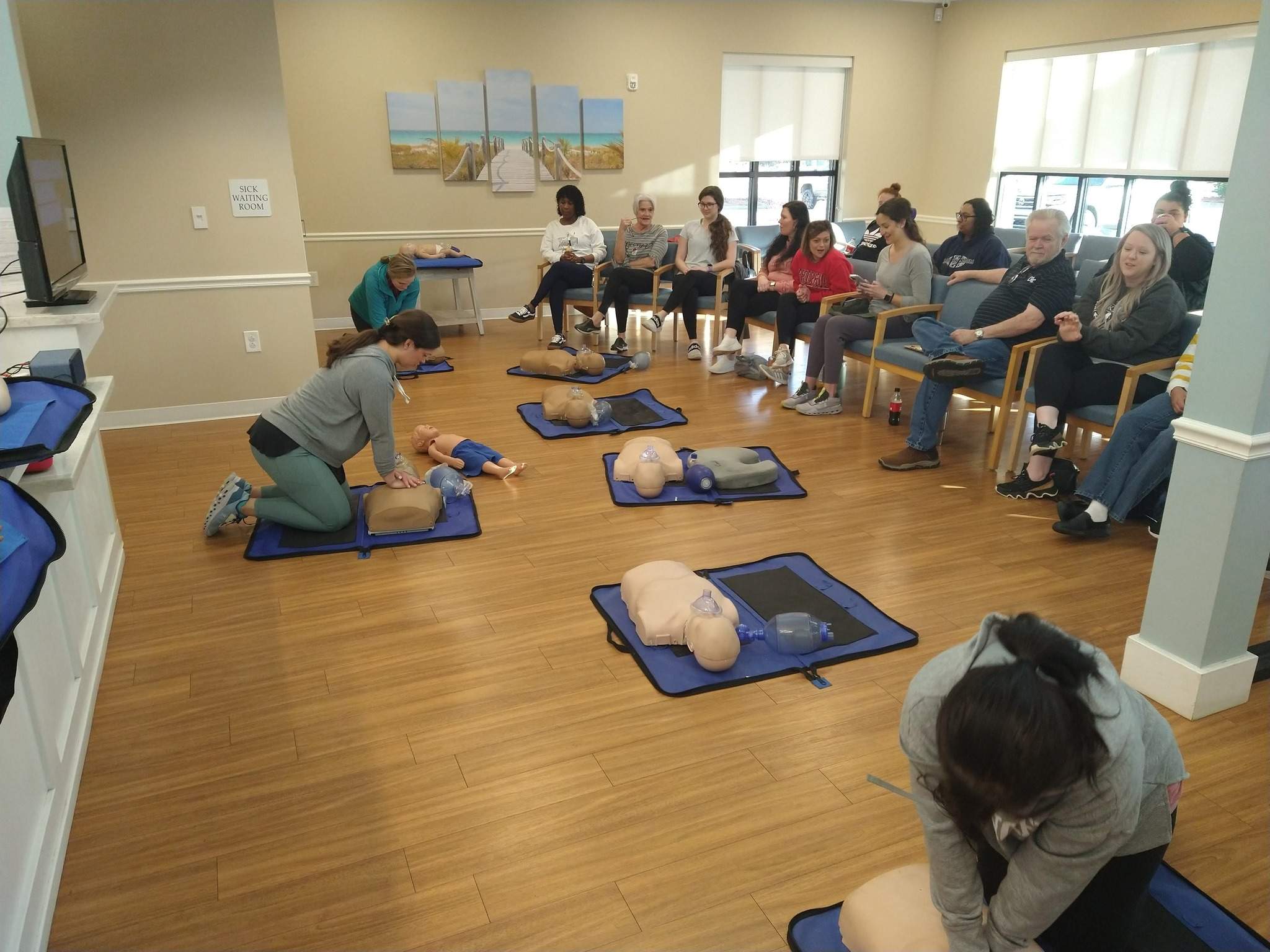
- Participate in engaging, hands-on training
- Practice skills until you feel confident
- Pass skills assessment and written exam
Step 4: Receive Your Certification
- Get your AHA digital eCard immediately upon completion
- Optionally receive a printed card (small additional fee)
- Your certification is valid for two years
- Set a reminder to renew before expiration
The Bottom Line: Excellence in Emergency Response Training
The 2025 AHA guidelines represent the culmination of five years of research, real-world data analysis, and expert consensus. These aren’t arbitrary changes—they’re evidence-based improvements designed to save more lives.
Whether you’re a seasoned ICU nurse renewing your ACLS, a new teacher getting your first Heartsaver certification, or a concerned parent who wants to protect your family, Pulse CPR and First Aid School provides the highest-quality training in the Augusta-Martinez area.
We’re committed to:
- ✓ Up-to-date 2025 AHA guidelines compliance
- ✓ Experienced, passionate instructors
- ✓ Hands-on, skills-focused training
- ✓ Small class sizes for personalized attention
- ✓ Flexible scheduling including evenings and weekends
- ✓ Same-day certification options
- ✓ Affordable pricing with group discounts
- ✓ Convenient Martinez location serving the entire CSRA
Take Action Today: Your Training Could Save a Life Tomorrow
Cardiac emergencies don’t wait for convenient timing. They happen at family dinners, during work meetings, at youth sports events, in grocery stores. The question isn’t if you’ll encounter an emergency—it’s when.
Will you be ready?
Don’t let outdated training or expired certifications leave you unprepared. Get trained with the latest 2025 AHA guidelines at Pulse CPR and First Aid School.
Contact Us Today:
Pulse CPR and First Aid School
110 Davis Rd
Martinez, GA 30907
Phone: (706) 901-7277
Website: pulsecprschool.com
Serving: Martinez | Augusta | Evans | Grovetown | Aiken | Thomson | Waynesboro | Harlem | Hephzibah | North Augusta | All of the CSRA
Additional Resources
- American Heart Association Official Guidelines
- 2025 Guidelines Full Document
- AHA Training Center Locator
- Georgia EMS and Trauma Resources
Disclaimer: This blog post provides educational information about the 2025 AHA guidelines. Always follow the most current official AHA protocols and consult with certified instructors during training. For complete medical guidance, consult appropriate healthcare providers.
About Pulse CPR and First Aid School: We are an American Heart Association authorized training center providing high-quality CPR, BLS, ACLS, PALS, and First Aid training throughout the Central Savannah River Area. All our courses are taught by experienced healthcare professionals and meet national certification standards.
Last Updated: November 2025 | Based on AHA 2025 Guidelines Released October 22, 2025
Keywords: AHA 2025 guidelines, CPR certification Martinez GA, BLS Augusta GA, ACLS Evans GA, PALS Grovetown GA, Heartsaver CPR, CPR training near me, AHA certification Augusta, CPR classes Martinez, first aid certification Georgia, CPR updates 2025, BLS renewal Augusta, ACLS recertification, same-day CPR certification, opioid emergency training, naloxone CPR, choking protocol 2025, cardiac arrest training, emergency cardiovascular care, CPR school CSRA, healthcare provider CPR, Pulse CPR Martinez